Eating for the Planet
Eat for the Planet – and your optimal health!
We know that a predominantly plant-based diet is better for your AND our planet’s health, according to ‘The Planetary Health Diet’. But not everyone knows how to ensure that adopting this way of eating will be both delicious AND nutritious.
Reducing meat consumption is proven to be a CRUCIAL action in reducing carbon emissions according to Project Drawdown, and others – think land clearing, feed, water use, as well as methane emissions.
We also know that “Low Carb” diets enhance fat loss, muscle mass, and reduce the risk of the chronic diseases associated with carrying excess weight, including metabolic syndrome and diabetes.
“Low Carb” means eating more proteins and fats instead or carbohydrates.
Protein-rich foods are generally associated with animal foods like meat and eggs. Can we have high enough levels of protein when eating predominantly plants?
YES! It is tricky, but it is possible.
How can we achieve a low-carb diet that is healthy, safe, and helps our ecosystem at the same time?
… you must master vegetable proteins.
Vegetable Proteins
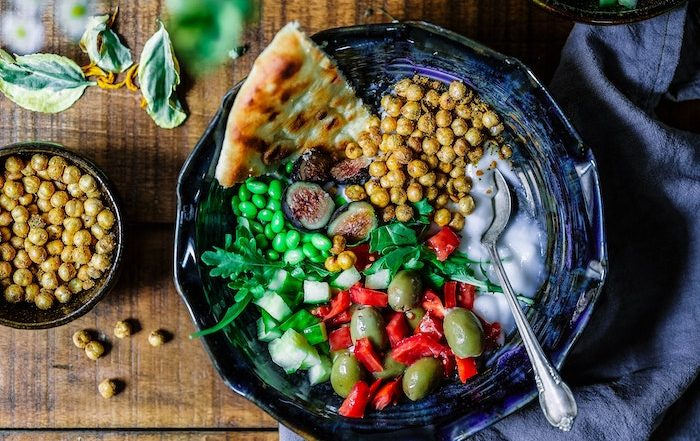
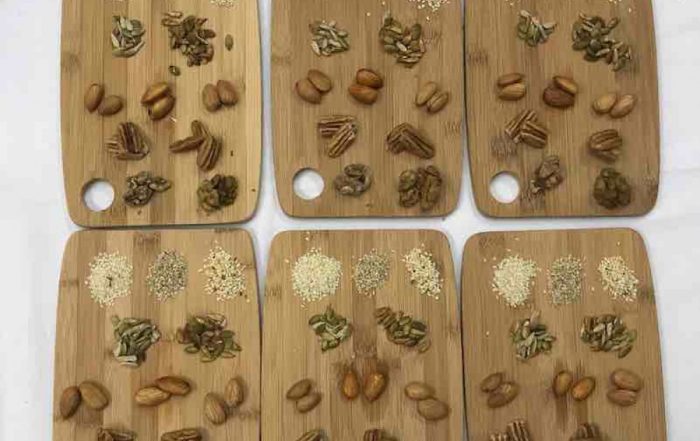
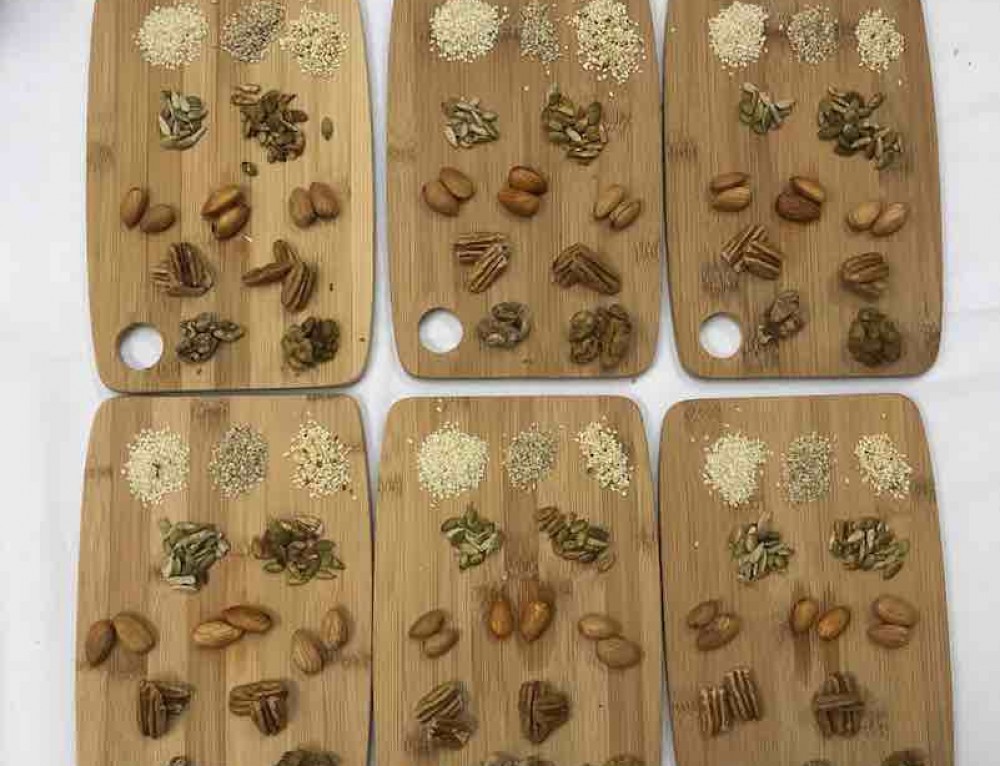
By vegetable proteins we mean legumes (soy, red kidney beans, etc), nuts (walnuts, almonds, etc), seeds (sesame, sunflower, etc) and wholegrains (rice, barley, etc). Ensuring these are combined well, means that you receive all the essential amino acids. Plus, don’t forget funghi! They are fun-guys to add in!
With the correct vegetable proteins and funghi combined, consider sprouting and activating plant foods too. Support for your digestion system may be needed, this is where you can get creative with herbs and spices and benefit from their digestive actions. Making plant proteins taste great is crucial, so that you will continue to increase them in your diet.
Activating foods and preparing them well convey benefits to your gut and enhance your vitality. If you are what you eat … how vital are you? A bonus aspect of ‘Veggo paleo’ is feeling more vitality!
About the Author: Sally Mathrick

All Posts